
Professional Retaining Wall Contractors in Spansih Fork, UT
Looking for a retaining wall contractors in Spansih Fork? Got a hillside that's eroding away? A sloped yard you can't use? Ugly dirt piles sliding down when it rains? We connect Salt Lake City families with skilled retaining wall contractors who transform problem slopes into beautiful, usable outdoor spaces!
Why Retaining Walls Are Essential in Spanish Fork (And What Happens If You Wait)
Let’s talk about something important. Spanish Fork sits in central Utah Valley at about 4,500 to 5,200 feet elevation, with land that slopes gently upward from Utah Lake in the northwest toward the Wasatch Mountains in the southeast.
Here’s what you need to know. Elevation in Spanish Fork ranges from about 4,500 feet in the northwest to 5,200 feet in the far southeast foothills, with a steeper rise in the southeast portion that then flattens to form a gently sloping bench area. When you have slopes like that, gravity pulls your soil downhill. And when soil moves, serious problems follow fast.
What happens without a retaining wall:
1. Spring flooding creates major erosion
The flood hazard along the Spanish Fork River typically exists from mid-April to the end of May. When spring snowmelt comes rushing down from the mountains, it brings massive water flow that pulls soil with it. In typical springs, the Spanish Fork River flows between 500 and 1,000 cubic feet per second, but during high-water years it can reach 2,000 cfs or more.
2. Your semi-arid soil is vulnerable
Utah’s semi-arid environment results in dry, dusty soil that’s easily displaced by wind and rain, with slopes and uneven terrain making soil more susceptible to erosion. Spanish Fork’s climate combines dry conditions with sudden heavy rainfall — the perfect recipe for erosion problems.
3. Wildfire aftermath makes erosion catastrophic
After the Pole Creek fire near Spanish Fork Canyon, researchers found shocking results. In burned watersheds where wildfire had consumed stabilizing vegetation, rain caused a 2,000-fold increase in sediment flux compared to unburned areas, moving as much sediment as the river would typically move in 100 to 200 years. If your property is near previously burned areas, erosion control becomes critical.
4. Bare soil loses ground fast
Spanish Fork City recommends covering bare soil with native plants to reduce soil erosion and water runoff. Without protection, your property literally washes away bit by bit with every rainstorm.
5. Your usable yard disappears
That sloped backyard? Without a retaining wall, it’s nearly impossible to mow, dangerous to walk on, and unusable for your family. You’re wasting valuable outdoor space that could be a beautiful patio, garden, or play area.
6. Water drainage threatens your foundation
Without proper slope management, spring snowmelt and heavy rain run straight toward your home. Spanish Fork City advises diverting gutters, downspouts, and sump pump drainage away from homes to prevent water infiltration. A retaining wall is crucial for managing that water flow.
7. Your property value drops
Erosion problems, drainage issues, and unstable slopes don’t just look bad — they scare away potential buyers and lower what your home is worth. Nobody wants to buy a property with obvious soil problems.
The real numbers:
Many properties in Spanish Fork’s hilly terrain require retaining walls taller than 4 feet, which need professional engineering and building permits to meet local codes. With the combination of sloped terrain, spring flooding risks, and Utah’s semi-arid climate, proper retaining wall design isn’t optional — it’s essential protection for your investment.
The good news? A professionally built retaining wall solves all these problems. It holds soil in place during spring runoff, manages water drainage away from your foundation, creates usable outdoor space, and protects your home from expensive damage.
Popular Retaining Wall Services in Spansih Fork
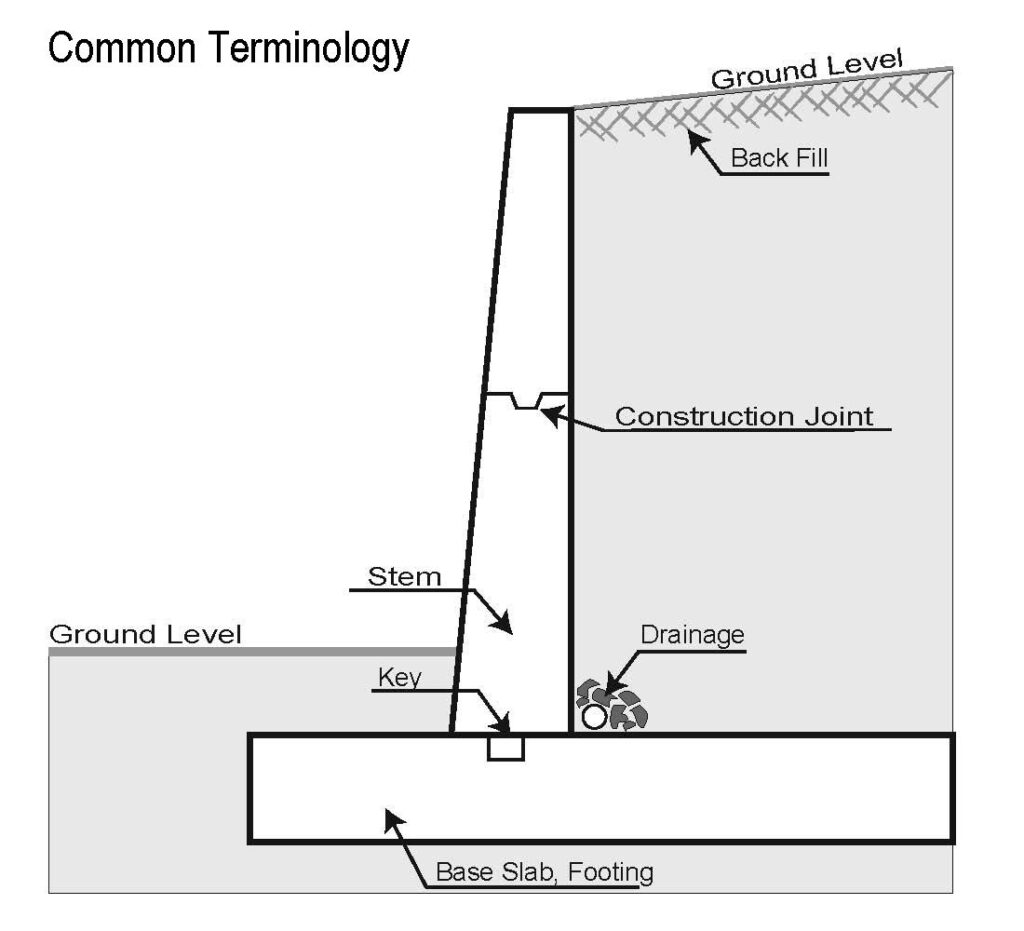
Retaining Wall Design & Engineering
This is where smart planning saves you BIG money and headaches! Professional engineers figure out exactly what kind of wall you need based on your slope’s height, how much soil it’s holding back, your soil type, and drainage. They create detailed plans showing where the wall goes, how tall it should be, what materials to use, and how to keep it standing strong for decades. For walls over 3-4 feet tall, engineering is a MUST — otherwise your wall could fail and cause serious damage!
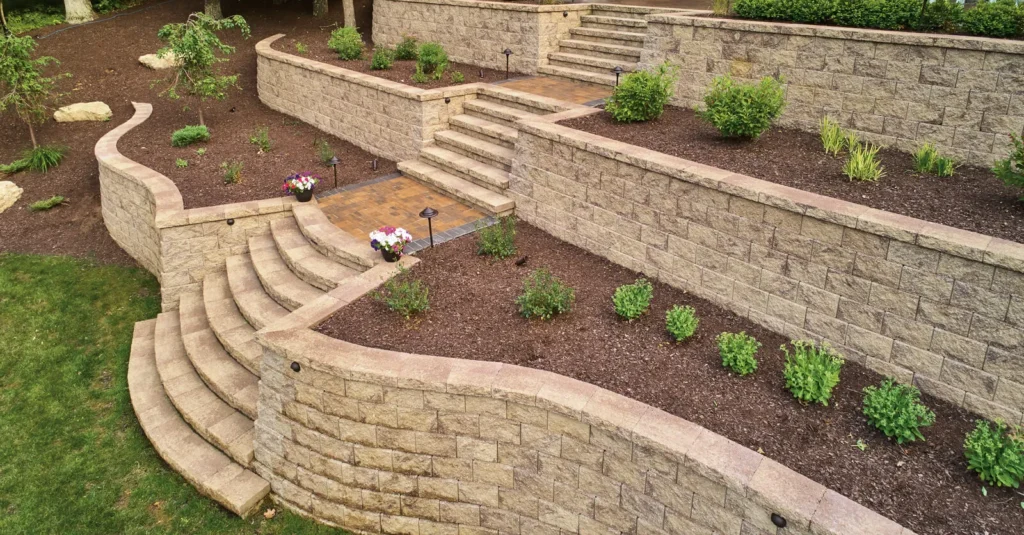
Block Retaining Wall Construction
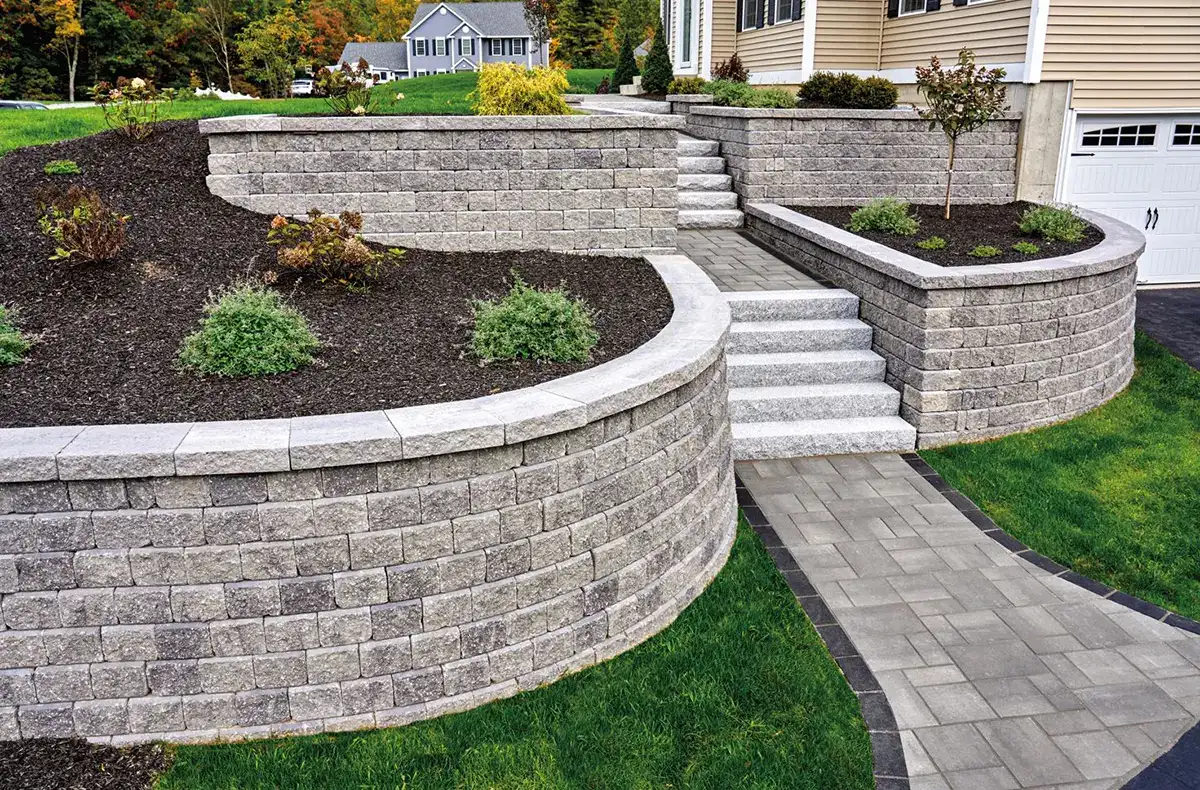
These are the most popular walls you’ll see! Block walls use special interlocking blocks (like big, heavy LEGO pieces) that stack together without needing cement or mortar. Brands like Allan Block, Keystone, and Versa-Lok make blocks in tons of colors and textures. They’re strong, affordable, relatively quick to install, and handle Utah’s freeze-thaw cycles like champs. Perfect for most residential projects!
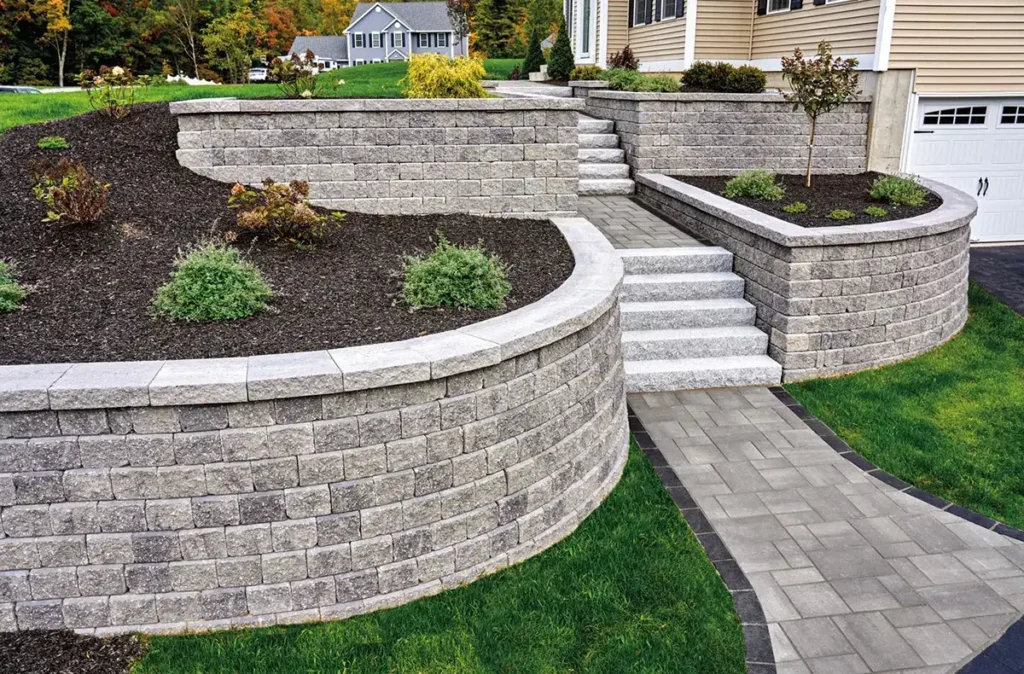
Natural Stone Retaining Walls
Want that timeless, elegant look? Natural stone walls use real rocks — like flagstone, limestone, or sandstone — that come straight from the earth. Each stone is unique, and skilled masons fit them together like a puzzle (sometimes with mortar, sometimes “dry stacked” without it). These walls are GORGEOUS but cost more because they require serious skill to build. They blend beautifully with Utah’s natural landscape!
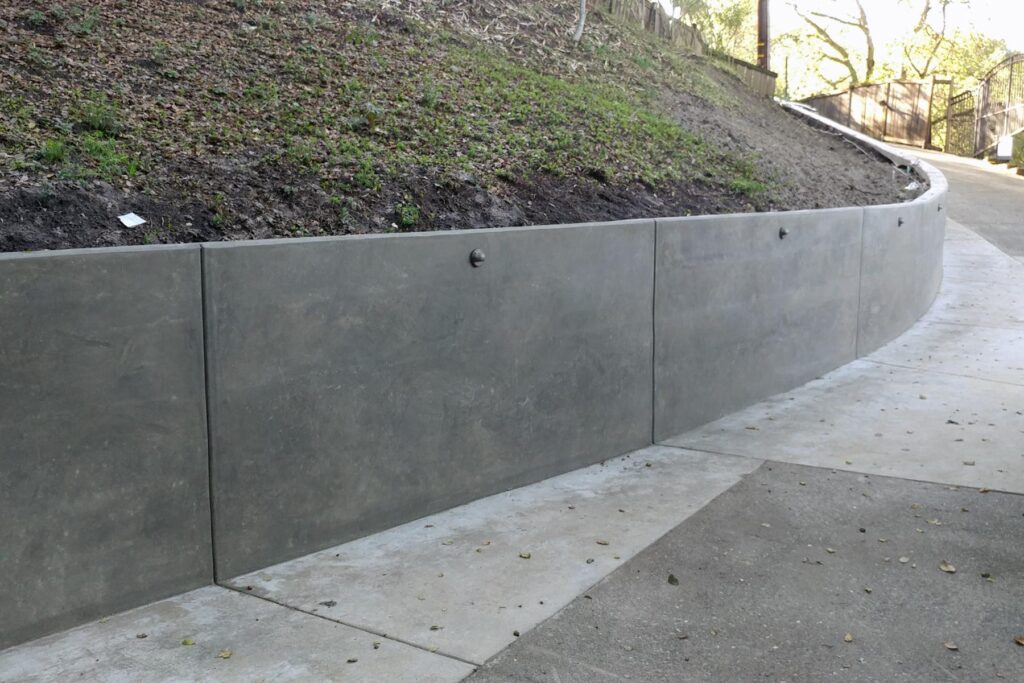
Concrete Retaining Walls
Poured concrete walls are the strongest option — perfect for really tall walls or when you need maximum holding power. Contractors build forms (like molds), pour wet concrete into them, add steel reinforcement bars (called rebar) for extra strength, and let it cure. These walls can last 50-100 years! They’re often used for commercial properties or big residential projects where serious strength is needed.
Slope Stabilization & Erosion Control
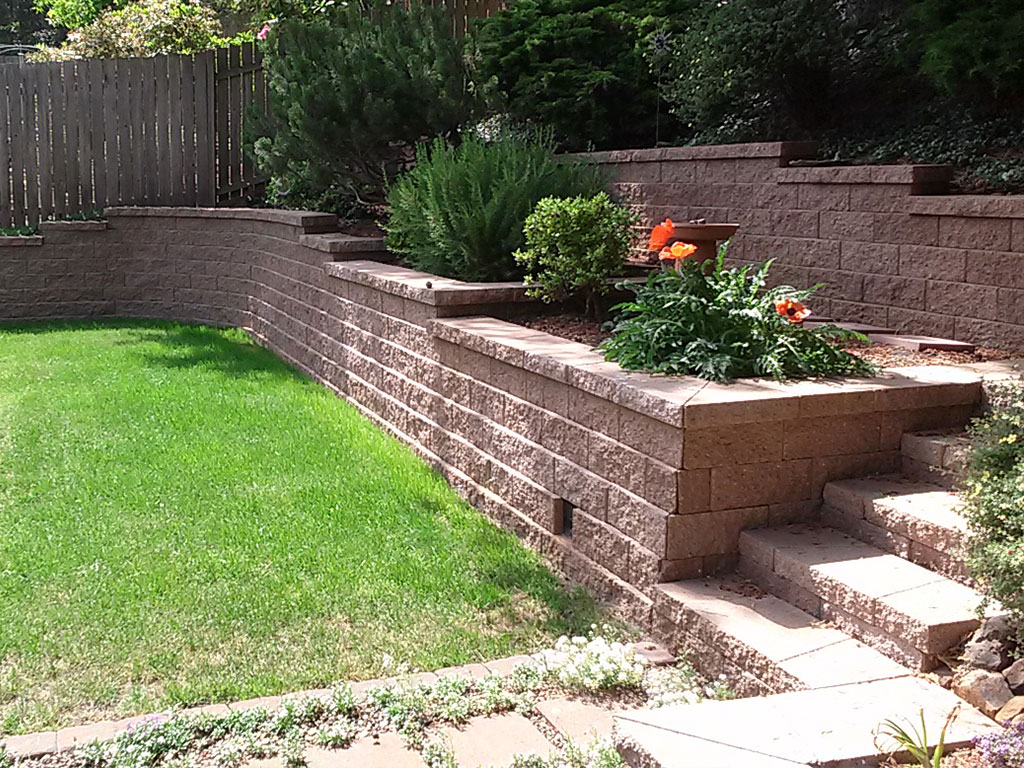
Sometimes your hillside is washing away FAST and you need help NOW! Slope stabilization means fixing erosion problems before they get worse. Contractors might use retaining walls, drainage systems, erosion control fabrics, hydroseeding (spraying grass seed mixed with glue-like stuff), or special ground anchors. The goal is to stop soil from sliding, prevent gullies from forming, and keep your property safe and stable.
Retaining Wall Repair & Replacement
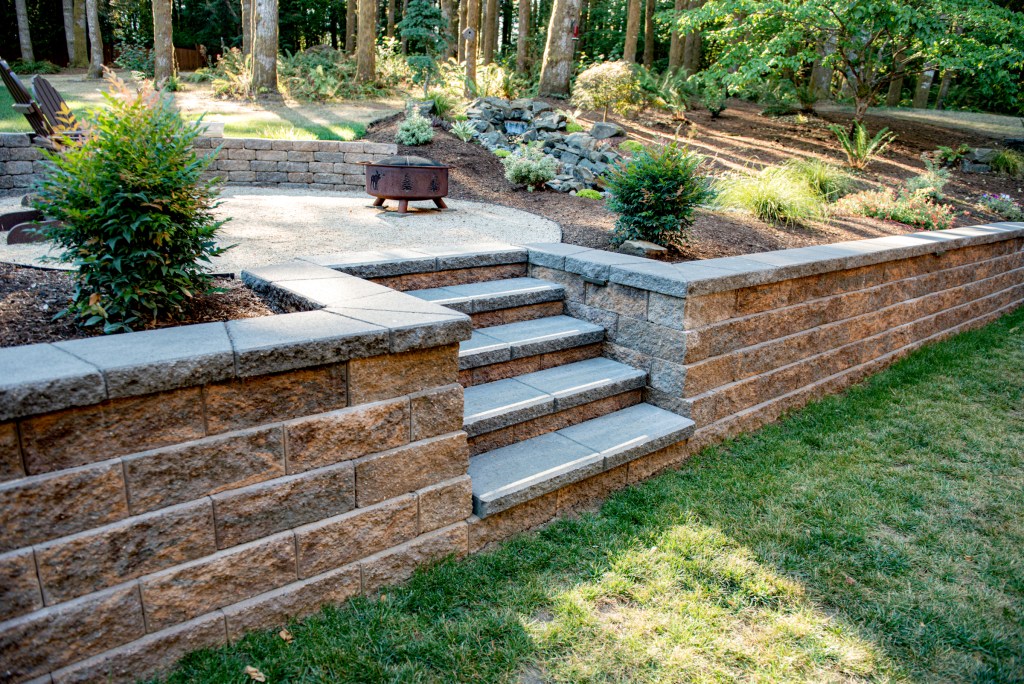
Is your existing wall cracking, leaning, bulging, or crumbling? That’s scary because failing walls can collapse suddenly! Professional contractors diagnose WHY it’s failing (usually drainage problems, poor construction, or foundation issues), then fix it properly. Sometimes they can repair it, but often it’s safer and cheaper long-term to tear it down and rebuild it right. Don’t ignore a failing wall — it only gets worse!
Drainage Systems for Retaining Walls
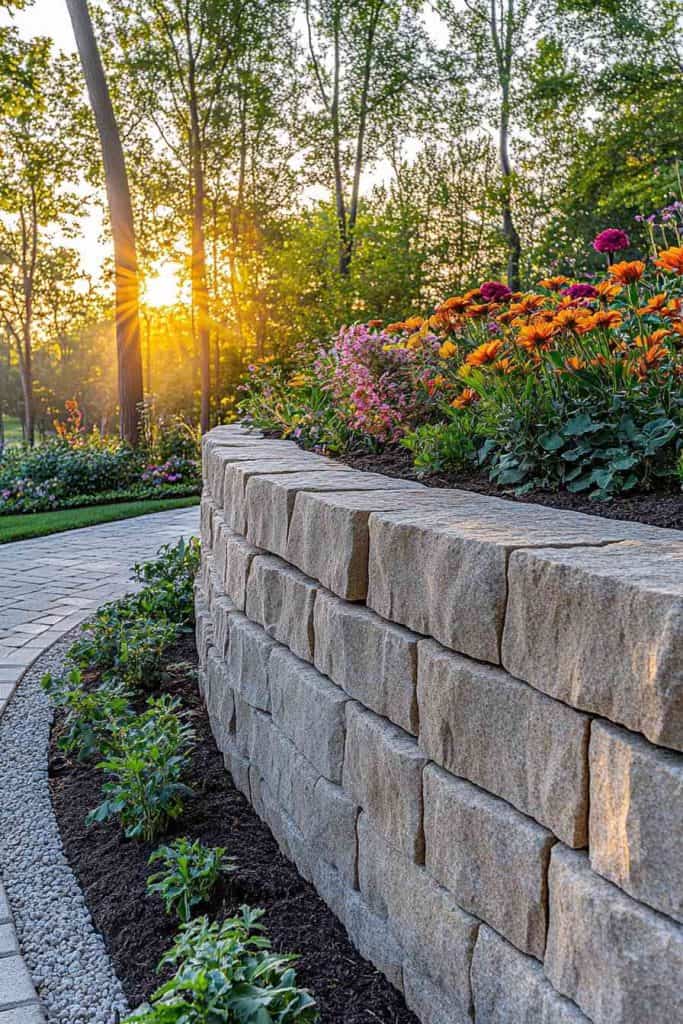
Here’s a secret: the DRAINAGE behind your wall is almost more important than the wall itself! Water building up behind walls creates massive pressure that can crack and topple even the strongest walls. Contractors install drainage pipes (perforated pipes that collect water), gravel backfill (lets water flow through), and weep holes (little holes that let water escape). Proper drainage makes walls last decades longer!
Let's Start Your Retaining Wall Project in Spansih Fork
Let’s chat about your ideas! Getting started is easy – simply reach out with details about your retaining wall project, and we’ll connect you with qualified, licensed contractors.
REAL STORIES FROM SATISFIED CUSTOMERS


How We Make Your Retaining Wall Dreams Come True
What Makes Our Network Different
We partner with retaining wall contractors who share our values:
- Structural expertise — they understand engineering, soil mechanics, and load-bearing requirements
- Proper drainage obsessed — they NEVER skip drainage systems
- Quality materials — they use products designed to last decades in Utah’s climate
- Code compliance — proper permits, inspections, and engineering when required
- Honest assessments — they’ll tell you if a wall needs engineering even if it costs extra
- Licensed & insured — full credentials to protect you and your investment
Every contractor in our network has extensive experience specifically with retaining walls in Salt Lake City’s unique clay soil and climate conditions. We’ve done the hard work of finding trustworthy professionals so you don’t have to risk your property with unqualified builders.
How Our Connection Process Works
Step 1: Tell Us About Your Slope Problem
What’s going on with your property? Soil washing away? Want to create a flat patio area? Need to add a driveway but there’s a steep hill? Tell us about your slope, what problems you’re facing, what you’d like to accomplish, and what you’re hoping to spend. Every slope is different, so we need to understand YOUR specific situation!
Step 2: We Match You With Expert Retaining Wall Contractors
We connect you with licensed, insured contractors in Salt Lake City who’ve built HUNDREDS of retaining walls and understand Utah’s clay soil, freeze-thaw challenges, and building codes. These aren’t random landscapers — they’re specialized pros who know structural engineering and proper construction techniques.
Step 3: Get Free Site Evaluations & Quotes
You’ll hear from different contractors who’ll come look at your property in person. They’ll evaluate your slope, discuss options (block vs. stone vs. concrete), explain what’s needed (drainage, engineering, permits), and give you detailed quotes. Compare their approaches and prices with zero pressure!
Step 4: Choose Your Contractor
Pick the contractor whose plan makes sense, whose past work looks solid, and whose price fits your budget. Maybe they’ve built walls on similar slopes in your neighborhood, or maybe they just seemed really knowledgeable and trustworthy. Trust your instincts!
Step 5: Watch Your Problem Slope Transform
Your contractor handles everything — permits, excavation, base preparation, drainage installation, wall construction, backfilling, compacting, and cleanup. They’ll update you throughout. In a few weeks (depending on wall size), you’ll have a strong, beautiful retaining wall that solves your problem and adds value to your home!
What Does a Retaining Wall Cost in Spansih Fork?
Here’s what you can realistically expect to pay (every project is different!):
| Wall Type | Cost Per Square Foot | 3-Foot Tall Wall (20 ft long) | 4-Foot Tall Wall (30 ft long) |
|---|---|---|---|
| Timber/Wood | $15 – $25 | $900 – $1,500 | $1,800 – $3,000 |
| Cinder Block | $17 – $28 | $1,020 – $1,680 | $2,040 – $3,360 |
| Gabion | $15 – $28 | $900 – $1,680 | $1,800 – $3,360 |
| Interlocking Block | $20 – $38 | $1,200 – $2,280 | $2,400 – $4,560 |
| Natural Stone | $25 – $40 | $1,500 – $2,400 | $3,000 – $4,800 |
| Poured Concrete | $30 – $41 | $1,800 – $2,460 | $3,600 – $4,920 |
Additional Costs to Consider:
| Service | Typical Cost |
|---|---|
| Engineering & Design (for walls over 3-4 ft) | $500 – $2,000 |
| Permits & Inspections | $100 – $500 |
| Excavation & Grading | $500 – $3,000+ |
| Drainage System Installation | $300 – $1,500 |
| Geotextile Fabric | $100 – $500 |
| Removing Old Failed Wall | $500 – $2,000 |
| Difficult Access (steep slopes, tight spaces) | +20% – 50% |
What Affects Your Cost:
- Wall height: Taller = way more expensive (engineering, materials, labor)
- Total length: Longer walls obviously cost more
- Material choice: Wood cheapest, natural stone most expensive
- Soil conditions: Clay or unstable soil requires extra prep work
- Drainage complexity: More water issues = more drainage work needed
- Site access: Hard to reach areas increase labor costs significantly
- Engineering requirements: Walls over 3-4 feet usually need engineer plans
- Permits: Some cities require permits and inspections
Money-Saving Tip:
Building walls in spring or fall (when contractors are less busy) might save you money compared to peak summer season!
Popular Retaining Wall Materials for Spansih Fork
Interlocking Block (Most Popular!)
These are concrete blocks with special shapes that lock together like puzzle pieces. They come in tons of colors (gray, tan, brown, red) and textures (smooth, rough, stone-like). Installation is relatively quick, they’re affordable, and they’re incredibly strong when built properly. Perfect for Utah because they flex slightly during freeze-thaw cycles instead of cracking like solid concrete!
Best for: Most residential walls under 6 feet tall
Cost: $20 – $38 per square foot
Pros: Affordable, lots of styles, easy to repair individual blocks, handles freeze-thaw well
Cons: Not as “natural” looking as stone, visible seams between blocks
Natural Stone (Premium Choice)
Real stone — flagstone, limestone, sandstone, or boulders — creates stunning, one-of-a-kind walls. “Dry stack” means stones fit together without mortar (traditional method), while mortared joints make walls even stronger. Each stone is unique, so no two walls ever look the same. These walls have a timeless, elegant appearance that increases property value significantly!
Best for: High-end homes, natural landscapes, showcase properties
Cost: $25 – $40 per square foot
Pros: Gorgeous natural look, extremely durable, timeless appeal, blends with Utah landscape
Cons: Most expensive, slower installation, requires skilled masons
Poured Concrete
The strongest option! Contractors build wooden forms, add steel rebar for reinforcement, pour concrete, let it cure, then remove forms. The result is a solid, monolithic wall that can hold back MASSIVE amounts of soil. Often used for tall walls (over 6 feet) or when you need maximum strength. Can be left plain gray or finished with textures and colors.
Best for: Tall walls, commercial projects, maximum strength needs
Cost: $30 – $41 per square foot
Pros: Strongest option, can be any height, lasts 50-100 years
Cons: Most expensive, takes longer (concrete needs time to cure), harder to repair
Cinder Block
Basic concrete blocks (like you see in basements) stacked with mortar and often filled with concrete and rebar for strength. These are functional and affordable but pretty plain-looking. Often used for utility areas or when budget is the main concern. They work fine but aren’t as attractive as other options.
Best for: Budget projects, areas where appearance isn’t priority
Cost: $17 – $28 per square foot
Pros: Very affordable, strong when reinforced properly
Cons: Plain appearance, can crack if not reinforced, less appealing visually
Timber/Wood
Thick wooden posts or railroad ties stacked horizontally to create rustic-looking walls. Wood gives a warm, natural appearance and is one of the cheapest options. BUT wood eventually rots, especially in contact with damp soil. Treated lumber lasts longer but still only 15-25 years. Good for short-term solutions or lower walls in dry areas.
Best for: Short walls, rustic look, budget-conscious projects
Cost: $15 – $25 per square foot
Pros: Cheapest option, warm natural look, DIY-friendly for short walls
Cons: Rots over time, shortest lifespan, requires replacement eventually
Gabion Walls
Wire mesh cages (like big baskets) filled with rocks or stones. Water can flow through them easily, making drainage automatic! They have a cool, modern industrial look. Often used for taller walls or when drainage is a major concern. You get to choose what rocks go inside, so you can match colors to your landscape.
Best for: Modern designs, excellent drainage needs, eco-friendly projects
Cost: $15 – $28 per cubic square foot
Pros: Excellent drainage, unique look, environmentally friendly, flexible
Cons: Industrial appearance isn’t everyone’s style, can shift over time
Utah-Specific Retaining Wall Tips
Why Proper Construction REALLY Matters Here
Utah has loose, dry soil that’s easily displaced, lots of slopes in hilly regions, and sudden rainfall or snowmelt that creates fast runoff. Cheap or improper retaining wall construction fails FAST here. Walls need proper drainage, correct base preparation, and materials that handle our unique climate. Cutting corners on a retaining wall isn’t just wasteful — it’s dangerous!
The Clay Soil Challenge
Most Salt Lake City properties have heavy clay soil that expands when wet and shrinks when dry. This constant movement puts enormous pressure on retaining walls! Proper construction includes excavating clay, adding crushed gravel base, installing drainage, and using materials that can flex slightly. Contractors who understand Utah clay soil are essential!
Freeze-Thaw Cycles Are BRUTAL
Water gets into tiny cracks, freezes and expands in winter, melts in spring, then freezes again. Over and over, all winter long! This destroys poorly built walls within just a few years. That’s why drainage is SO critical — keeping water away from your wall prevents freeze damage. Interlocking blocks handle freeze-thaw better than solid concrete because they move slightly instead of cracking.
Drainage is EVERYTHING
We can’t stress this enough: professionals recommend drainage systems behind retaining walls to prevent hydrostatic pressure buildups that cause problems. Every retaining wall in Utah needs perforated drainage pipes, gravel backfill, and proper grading to direct water away. Walls without drainage fail — it’s just a question of when, not if!
Building Codes & Engineering Requirements
Most Utah cities require engineering plans for retaining walls over 3-4 feet tall, especially if they’re near property lines or supporting structures. You’ll also need building permits and inspections. Good contractors handle all of this for you! Never skip permits — unpermitted walls can cause legal headaches and insurance issues if they fail.
Steep Slopes Need Special Attention
Utah homes in hilly or mountainous regions have slopes that make soil more susceptible to erosion. Very steep slopes might need terraced walls (multiple shorter walls stepping down) instead of one tall wall. Sometimes slopes need additional stabilization like soil nails, ground anchors, or erosion control fabrics before walls are even built.
Your Partner in Finding the Perfect Contractor
About Us
With our expertise in connecting homeowners with trusted professionals, you’re never alone on this journey. We understand the importance of effective communication and respecting your budget and timeline.
Together with the right contractor, we’ll help turn your dream Hardscaping into reality with less stress and more joy. Our goal is to ensure your journey is not only successful but also an exciting and fulfilling experience every step of the way.
We believe every home has a story and a vision waiting to be realized. Our commitment is to connect you with contractors who will turn your ideas into reality. We are here to help you find the professionals who will create the Backyard you’ve always dreamed of.

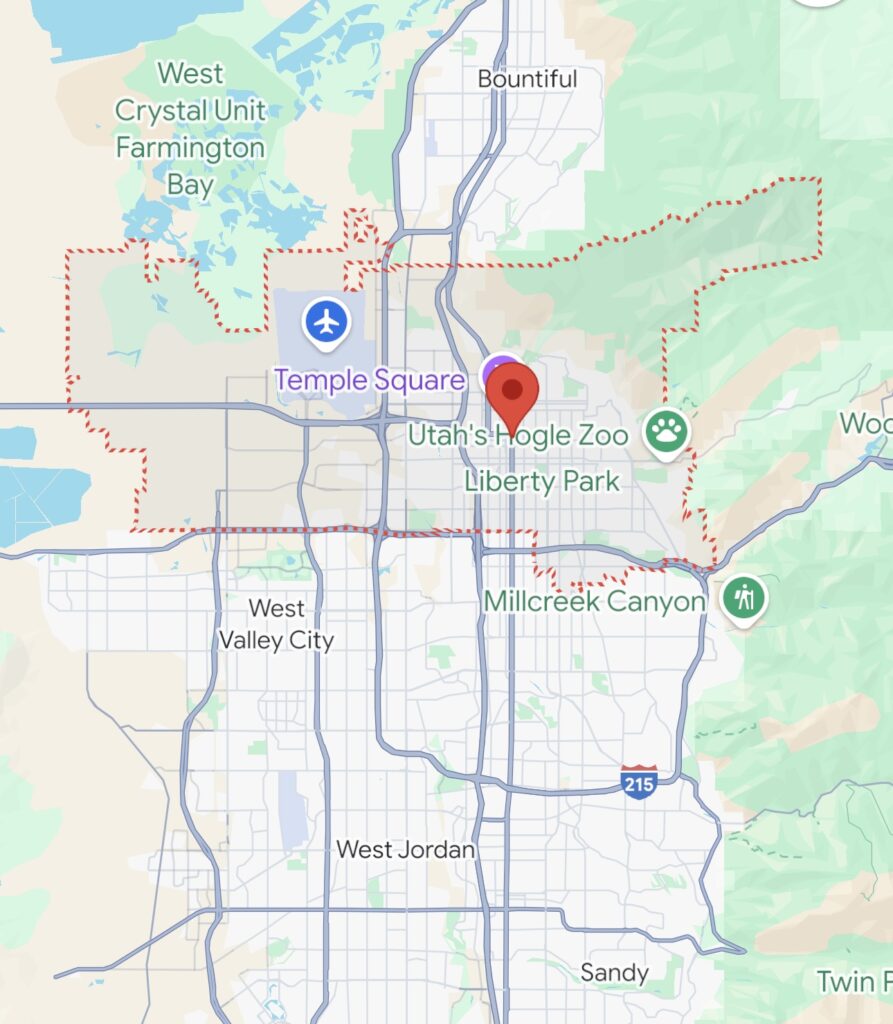
We connect homeowners throughout Salt Lake City and surrounding areas with trusted contractors, including:
Sugarhouse, The Avenues, Downtown Salt Lake City, Murray, Millcreek, Holladay, Cottonwood Heights, Sandy, Draper, South Jordan, West Jordan, Taylorsville, Kearns, West Valley City, Magna, Riverton, Herriman, Bluffdale, Midvale, and beyond.
Need Help?
Frequently Asked Questions About Retaining Wall in Spansih Fork
Below are some of the most common questions Our Network get from families about Retaining Wall. If you have any other questions contact us!
How tall can my retaining wall be?
Depends on engineering and permits! DIY walls should stay under 3 feet. Walls 3+ feet usually require engineer approval. With proper engineering, walls can be 10+ feet or even taller.
Do I need a permit?
Usually yes for walls over 3-4 feet, or any wall supporting structures or near property lines. Requirements vary by city. Good contractors handle permits for you!
How long does construction take?
Small walls (under 4 feet, 20 feet long): 3-7 days. Medium walls: 1-2 weeks. Large or complex walls with engineering: 2-4 weeks. Weather and permits affect timing.
What's the most affordable option?
Timber walls are cheapest short-term but need replacement in 15-25 years. Interlocking blocks cost more initially but last 50+ years, making them better long-term value.
How do I know if my wall needs drainage?
ALL retaining walls need drainage! No exceptions. Water pressure behind walls causes most failures. Proper drainage includes perforated pipes, gravel backfill, and weep holes.
What if my existing wall is failing?
Get professional evaluation immediately! Sometimes walls can be repaired, but often it’s safer and cheaper long-term to rebuild correctly. Don’t wait — failing walls only get worse and can collapse suddenly.
Will a retaining wall increase my property value?
Yes! Properly built retaining walls add usable space, prevent erosion, improve aesthetics, and show buyers the property is well-maintained. They’re considered a valuable improvement.
How do I maintain my retaining wall?
Check annually for cracks, bulging, or drainage issues. Clear weep holes of debris. Make sure drainage pipes aren’t clogged. Address small problems immediately before they become big expensive problems!
We provide services in the following cities:
- salt lake city
- West Valley City
- West Jordan
- Sandy
- South Jordan
- Draper
- Herriman
- Murray
- Taylorsville
- Millcreek
- Cottonwood Heights
- Holladay
- Riverton
- Bountiful
- Lehi
- Layton
- Orem
- Kaysville
- Park City
- holladay
Transform Your Problem Slope In Spansih Fork
Your sloped yard or eroding hillside doesn’t have to be a constant worry. We’re here to connect you with the right professional who’ll design and build strong, beautiful retaining walls that last for generations. No stress, no endless searching – just honest help finding licensed, insured contractors who care about structural integrity and understand Utah’s unique soil and climate requirements.
Your safe, stable, beautiful property is waiting. Let’s make it happen.