
Patio Cost Salt Lake City: Complete 2026 Price Guide & Calculator
Installing a patio in Salt Lake City creates outdoor living space, increases property value by 8–15%, and provides a durable surface that handles Utah's clay soil, freeze-thaw cycles, and temperature extremes from 10°F to 95°F.
Calculate Your Patio Cost
What This Patio Cost Estimate Includes
Site Excavation: Removing existing grass, soil, or old patio material to proper depth (typically 8–12 inches), grading for drainage slope away from house, and hauling away excavated clay soil. Clay removal is critical in Salt Lake Valley.
Compacted Gravel Base: 4–6 inches of crushed rock compacted in layers using plate compactor or roller. This provides stable foundation and prevents settling in clay soil conditions. Proper compaction is non-negotiable.
Sand Bedding Layer (pavers only): 1 inch of coarse sand leveled and screeded to create smooth surface for paver installation. Sand allows minor adjustment during freeze-thaw cycles.
Patio Materials: Concrete ready-mix delivered and poured, or interlocking pavers, brick, or natural stone set on prepared base. Material quality affects longevity in Utah’s climate.
Edge Restraint (pavers only): Plastic or aluminum edging anchored with spikes to prevent paver migration and maintain shape integrity through freeze-thaw cycles.
Joint Sand (pavers only): Polymeric sand swept into joints and activated with water. Creates stable, weed-resistant surface that flexes with temperature changes.
Proper Drainage Slope: Minimum 2% slope away from house (1/4 inch per foot) to prevent water pooling and foundation damage. Critical in clay soil areas prone to water retention.
Professional Installation: Skilled crew, equipment rental (excavator, compactor, concrete tools), proper installation techniques for climate conditions, quality control verification.
Finishing: Concrete sealing or edging, paver sealing (optional), cleanup, and site restoration.
Not included: major regrading beyond patio footprint, retaining walls (unless specified), landscape restoration, patio covers, furniture, fire features, outdoor kitchens, decorative elements beyond standard installation.
Why Costs Vary in Salt Lake City
Expansive Clay Soil Challenges
Salt Lake Valley clay soil absorbs moisture and expands significantly, creating pressure that cracks concrete and shifts pavers. Professional installations require removing clay, installing 4–6 inches of compacted gravel base, and proper drainage slope. Skipping adequate base preparation saves $400–$800 upfront but results in cracked concrete or settled pavers within 3–5 years, requiring $2,500–$6,000 repairs or replacement. Areas like West Valley City, Magna, and West Jordan have particularly heavy clay demanding extra base depth.
Freeze-Thaw Cycle Damage
Winter temperatures dropping to 10–20°F followed by spring thaws create expansion and contraction cycles that crack concrete and heave poorly installed patios. Water trapped in clay soil beneath patios freezes and expands, lifting sections unevenly. Proper installation includes base below frost line (24–30 inches) and materials that handle movement. Pavers flex slightly with ground shifts. Quality concrete mixes with proper air entrainment resist freeze damage. Cheap installations without adequate base fail within 5–7 years.
Material Selection and Longevity
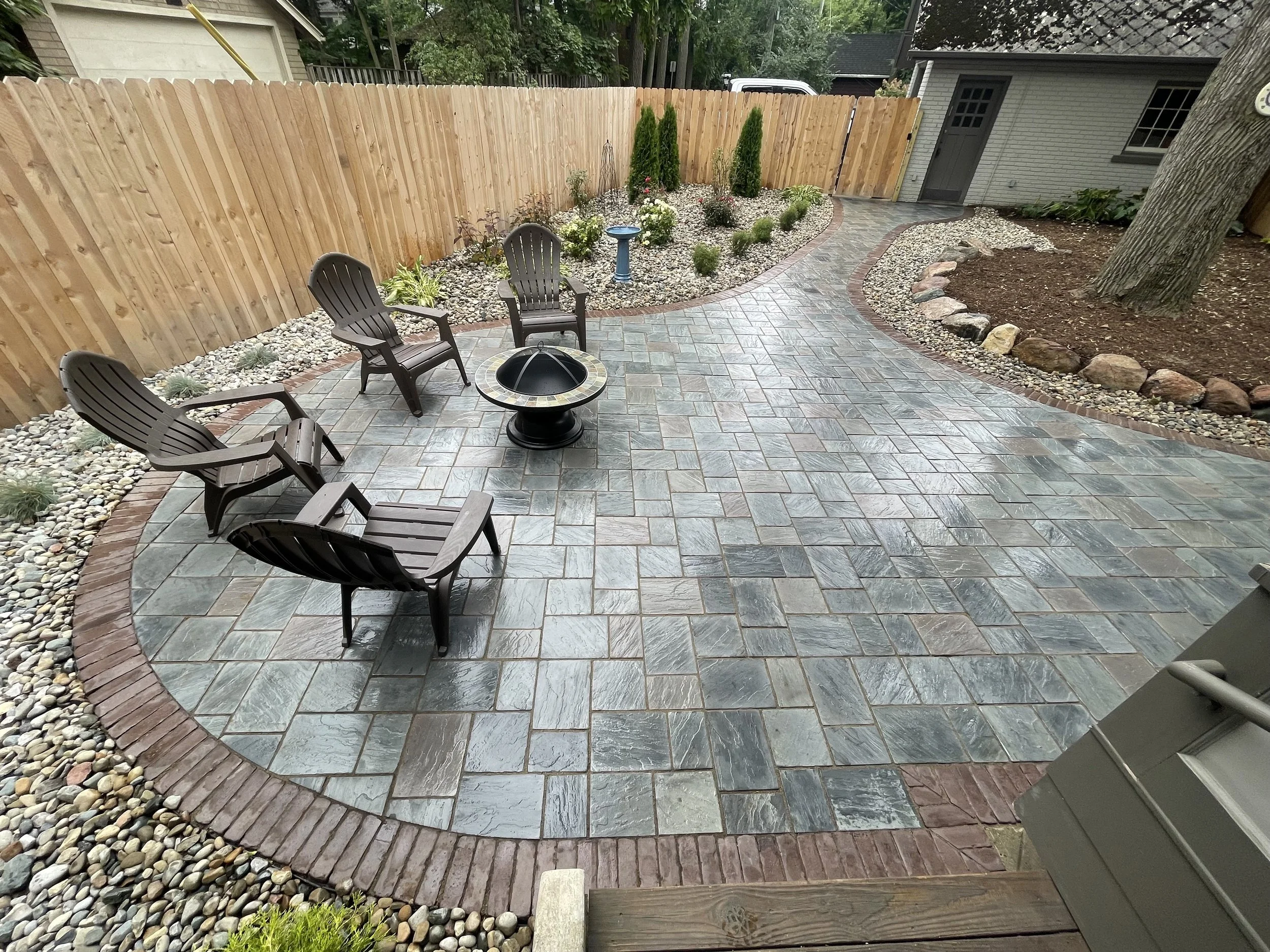
Basic concrete at $7.50–$15 per square foot lasts 20–30 years with proper installation but cracks are permanent and expensive to repair. Stamped concrete at $12–$22 per square foot adds decorative appeal but still cracks. Concrete pavers at $14–25 per square foot handle freeze-thaw cycles better and allow individual replacement of damaged units. Natural stone like flagstone costs $18–35 per square foot but provides authentic appearance and handles Utah’s climate excellently. All materials need proper base preparation regardless of cost.
Site Conditions and Preparation
Level yards with good drainage allow straightforward installation. Sloped properties require more excavation on downhill side or retaining walls to create level patio space. Properties with poor drainage or water flowing toward houses need French drains or other drainage solutions adding $600–$2,500. Rocky soil or buried debris complicates excavation. Sites requiring extensive grading, fill dirt, or retaining walls see costs increase 30–60% over simple installations.
Patio Size and Complexity
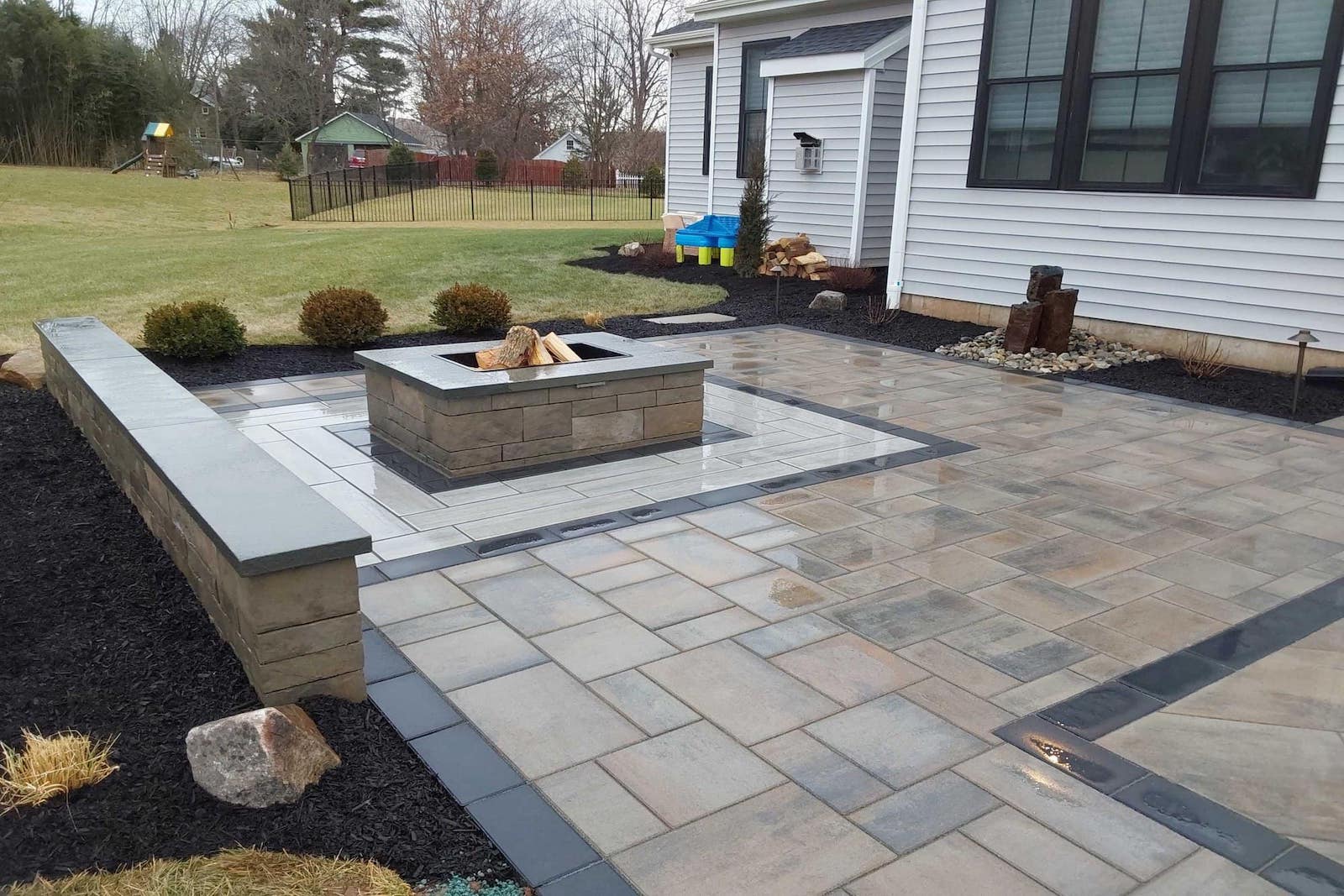
Small 10×12 patios (120 square feet) for bistro tables cost $900–$2,900 depending on materials. Medium 12×16 patios (192 square feet) for dining sets run $1,400–$4,900. Large 16×20 or 20×24 patios for full outdoor living spaces cost $2,400–$8,000+. Complex shapes with curves, multiple levels, or integrated features like fire pits increase labor by 20–40%. Per-square-foot costs decrease on larger projects due to economies of scale on equipment and mobilization.
Access and Foothills Terrain
Backyards with good access allow concrete trucks and equipment easy entry. Restricted access through narrow side yards or properties without rear gates requires wheelbarrows and hand work, increasing labor costs 25–50%. Foothills properties in Sandy, Draper, and Cottonwood Heights on steep slopes face equipment challenges and may need crane or pump service for concrete delivery, adding $500–$1,500. Downtown Salt Lake City properties face parking restrictions and limited staging areas.
Permit Requirements
Most patios don’t require building permits in Salt Lake City unless they’re covered structures over 200 square feet or involve structural changes. However, excavation near property lines must respect setback requirements. Removing old concrete requires proper disposal at $2–6 per square foot. Properties in HOA neighborhoods may need architectural committee approval before construction, adding 2–4 weeks to timelines. Always verify local requirements before starting work.
Average Patio Cost in Salt Lake City
Small Concrete Patio (10×12, 120 sq ft): $900–$1,800
Medium Concrete Patio (12×16, 192 sq ft): $1,400–$2,900
Large Concrete Patio (16×20, 320 sq ft): $2,400–$4,800
Small Paver Patio (10×12, 120 sq ft): $1,700–$2,900
Medium Paver Patio (12×16, 192 sq ft): $2,700–$4,900
Large Paver Patio (16×20, 320 sq ft): $4,500–$8,000
Price Per Square Foot by Material:
Basic Concrete: $7.50–$15
Stamped/Decorative Concrete: $12–$22
Concrete Pavers: $14–$25
Brick Pavers: $15–$28
Natural Stone (flagstone, bluestone): $18–$35
Travertine: $20–$38
Additional Options:
Excavation and Grading: $400–$1,500
Retaining Wall (if needed): $2,500–$8,000
Patio Cover: $4,800–$14,000
Fire Pit: $800–$3,500
Outdoor Kitchen Integration: $8,000–$35,000
Most Salt Lake City homeowners spend $3,500–$6,500 for complete patio installations including proper base preparation, drainage, quality materials, and professional installation.
How to Save on Patio Costs in Salt Lake City
Schedule installation in spring or fall when contractors have better availability and competitive pricing. Summer peak season commands premium rates and 6–8 week lead times. May and September offer ideal weather and better value.
Start with basic concrete rather than stamped or decorative finishes. Basic concrete costs $7.50–$15 per square foot versus $12–$22 for stamped. You can always grind, stain, or overlay concrete later as budget allows. Focus investment on proper base preparation and drainage.
Keep the shape simple with straight edges and right angles. Curves, circles, and complex shapes increase labor costs by 20–30%. Rectangular patios maximize usable space while minimizing cutting and fitting time.
Provide excellent site access by removing gates temporarily, clearing pathways, and ensuring concrete trucks or equipment can reach the yard easily. Difficult access adds $300–$800 in wheelbarrow labor or pump fees.
Combine patio with other projects like retaining walls, landscape work, or outdoor kitchens in one contract. Contractors offer better rates when installing complete outdoor spaces versus isolated projects requiring separate mobilization.
Invest in proper base preparation rather than cutting corners. Spending $800–$1,500 on adequate gravel base and compaction prevents $2,500–$6,000 replacement costs within 5–10 years. Design it right initially rather than fixing failures later.
Get 3–4 detailed estimates that specify base depth, gravel type, drainage slope, material grades, and installation procedures. Compare contractor experience with clay soil conditions and freeze-thaw construction. The lowest bid typically skips critical base work or uses inadequate materials.
Frequently Asked Questions – Patio Costs in Salt Lake City
Get answers to the most common questions about construction costs, regulations, and feasibility in Salt Lake City.
Do I need a permit to install a patio in Salt Lake City?
Most uncovered patios don’t require building permits in Salt Lake City. However, covered patios exceeding 200 square feet need permits. Any electrical work requires electrical permits. Excavation must respect setback requirements from property lines (typically 3–10 feet). Properties in HOA-governed neighborhoods may need architectural review committee approval. Contact Salt Lake City Building Services at 801-535-6000 to verify requirements for your specific project before starting work.
What's the best patio material for Salt Lake City's climate?
Concrete pavers offer the best combination of durability, repairability, and climate performance in Utah’s freeze-thaw cycles. They flex slightly with ground movement and allow individual replacement of damaged units. Pavers cost $14–25 per square foot. Basic concrete at $7.50–$15 per square foot provides lowest upfront cost but cracks are permanent. Natural stone like flagstone provides authentic appearance and excellent durability at $18–35 per square foot. All materials require proper base preparation with compacted gravel to perform well in clay soil.
How long does a patio last in Salt Lake City?
Properly installed concrete patios last 20–30 years before major repairs are needed. Pavers last 25–40 years with occasional resanding of joints. Natural stone patios last 40–60+ years. The most critical factor is proper base preparation—patios without adequate gravel base and drainage fail in 5–10 years regardless of surface material. Clay soil conditions make proper installation non-negotiable in Salt Lake City. Sealed concrete lasts longer than unsealed.
How much does it cost to remove an old patio?
Removing old concrete patios costs $2–$6 per square foot including demolition, breaking concrete into pieces, and disposal fees. A 200 square foot patio costs $400–$1,200 to remove. Paver removal runs $4–$5 per square foot. Many contractors bundle removal costs into new patio installation at reduced rates. Contractors have equipment and disposal relationships that make professional removal cost-effective compared to DIY where equipment rental and disposal fees approach professional costs.
What drainage is needed for patios in Salt Lake City?
All patios need minimum 2% slope away from house (1/4 inch per foot) to prevent water pooling against foundation. Clay soil doesn’t drain naturally, so water must be directed away from patio edges. Properties with poor drainage may need French drains ($600–$2,500) or catch basins. Patios must never slope toward houses—this causes foundation moisture problems costing thousands to fix. Professional contractors evaluate drainage during site assessment and design proper slope.
Talk to a Salt Lake City Patio Contractor Today
Your patio investment creates outdoor living space, increases property value, and provides durable surfaces that handle Utah’s demanding climate. Proper installation with adequate base preparation and drainage systems ensures your patio performs for decades without settling, cracking, or heaving.
Professional Salt Lake City contractors understand clay soil challenges, freeze-thaw cycle requirements, and proper drainage design. They excavate to adequate depth, install compacted gravel base, and create proper slope to prevent water damage and foundation problems.