
Fireplace Cost Salt Lake City: Complete 2026 Price Guide & Calculator
Installing or converting a fireplace in Salt Lake City creates a warm focal point for your home, increases property value by 12–15%, and provides backup heat during winter power outages while navigating mandatory no-burn day restrictions.
Calculate Your Fireplace Cost
What This Fireplace Cost Estimate Includes
Fireplace Unit: Gas insert, direct-vent unit, electric fireplace, or wood-burning firebox. Quality units from brands like Napoleon, Regency, Heat & Glo, or Mendota designed for reliable operation and efficient heating.
Venting System: Gas fireplaces require proper venting through existing chimney or new direct-vent pipe through exterior wall. Direct-vent systems pull combustion air from outside and exhaust safely, maintaining indoor air quality.
Gas Line Installation (gas fireplaces): Licensed plumber runs natural gas line from meter to fireplace location with proper pressure regulation, shut-off valves, and code-compliant connections. Permit and inspection required.
Electrical Work (all types): GFCI-protected outlet for gas fireplace controls and blowers, dedicated circuit for electric fireplaces, wiring for switches and remotes, proper grounding. Licensed electrician and electrical permit required.
Chimney Liner (if converting wood fireplace): Stainless steel liner sized for gas appliance, proper connection to fireplace, insulation wrap, chimney cap, and complete sealing system. Protects chimney from corrosive gas byproducts.
Installation Labor: Professional fireplace technicians, removal of old insert or logs (if applicable), proper fit and sealing, gas pressure testing, electrical connections, final system testing and inspection.
Finishing Work: Fireplace surround installation using tile, stone, or brick, mantel mounting, trim work, drywall repair, and painting. Creates finished appearance integrating fireplace with room design.
Permits and Inspections: Building permit for new installations, gas permit for fuel connections, electrical permit for wiring, required inspections for each trade, final approval.
Instruction and Warranty: Operational training for homeowner, manufacturer warranty (typically 1–5 years on components), installation warranty from contractor.
Not included: major structural modifications, extensive surround remodeling, high-end custom mantels, built-in cabinetry, complete chimney rebuilds, decorative elements beyond basic installation.
Why Costs Vary in Salt Lake City
Air Quality Regulations and No-Burn Days
Salt Lake County prohibits burning wood, coal, or pellets in fireplaces and stoves on mandatory action days from November through March when PM2.5 pollution builds during winter inversions. The Utah Division of Air Quality enforces these restrictions with fines up to $150 per violation using infrared cameras to detect heat plumes. This reality drives many homeowners toward gas or electric fireplaces that operate year-round without restrictions. Gas fireplaces provide real flames and ambiance without contributing to air pollution. Converting from wood to gas costs $3,200–$8,500 but ensures usability throughout winter.
Gas Line Installation Requirements
Natural gas fireplaces need fuel lines run from house meter to fireplace location. Simple installations with short runs cost $800–$1,500. Complex routing through finished walls, across long distances, or requiring penetrations through multiple rooms reaches $1,800–$2,500. Licensed plumbers charge $65–$95 per hour plus materials. Gas permits cost $150–$400 including inspection. Properties without natural gas service face propane tank installation adding $1,500–$3,500 upfront. Natural gas provides unlimited fuel supply and costs 30–40% less than propane long-term.
Fireplace Type and Venting Method
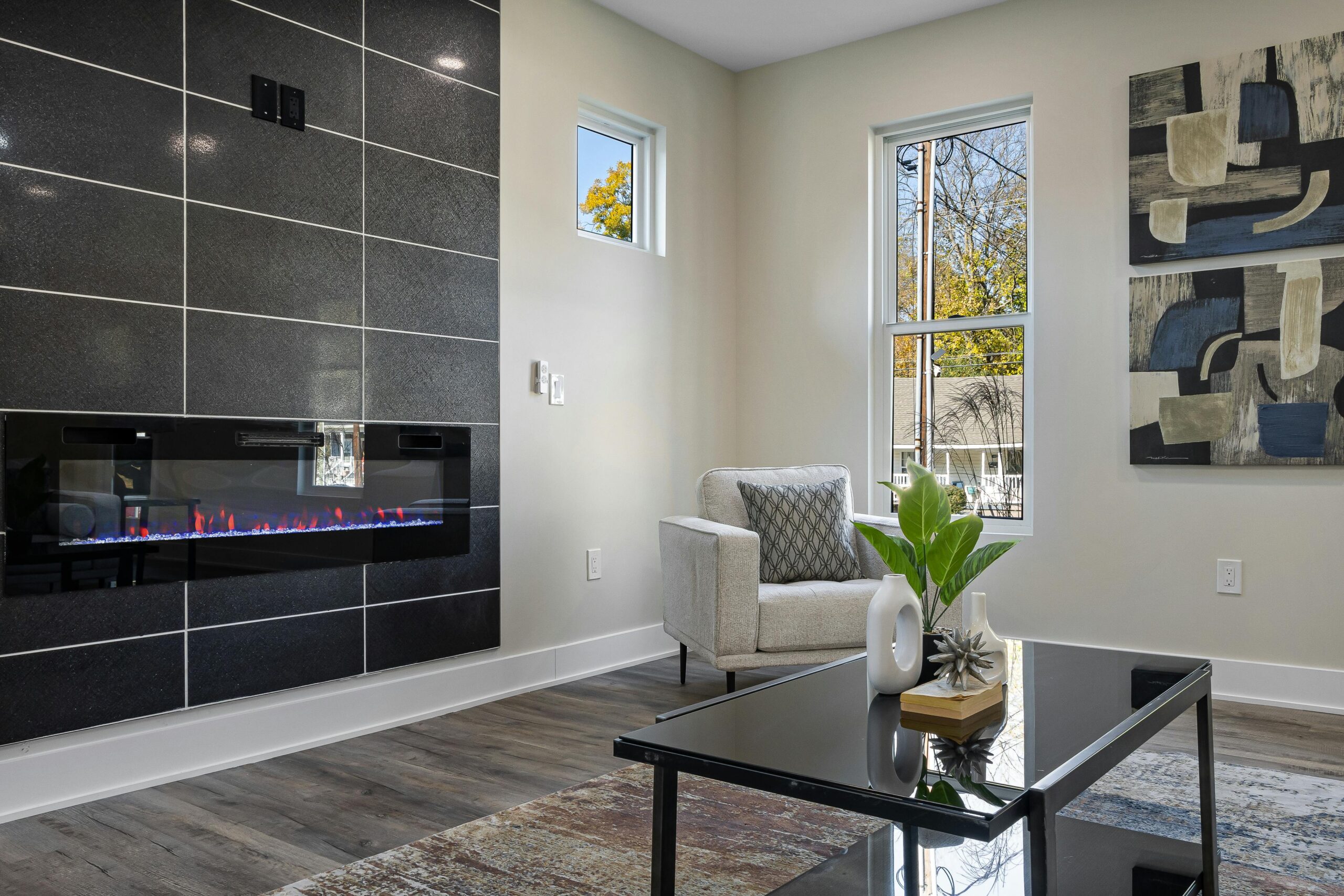
Gas fireplace inserts fitting into existing wood-burning fireplaces cost $2,800–$6,500 installed. They reuse existing chimney with new stainless steel liner. Direct-vent gas fireplaces requiring new venting through exterior walls cost $4,500–$9,000. They’re most efficient, pulling combustion air from outside. Ventless gas fireplaces at $2,500–$6,000 need no venting but release combustion byproducts indoors—some homeowners avoid them despite lower cost. Electric fireplaces need only electrical outlets, costing $1,200–$5,500 installed. They provide ambiance and supplemental heat without gas lines or venting.
Existing Fireplace Condition
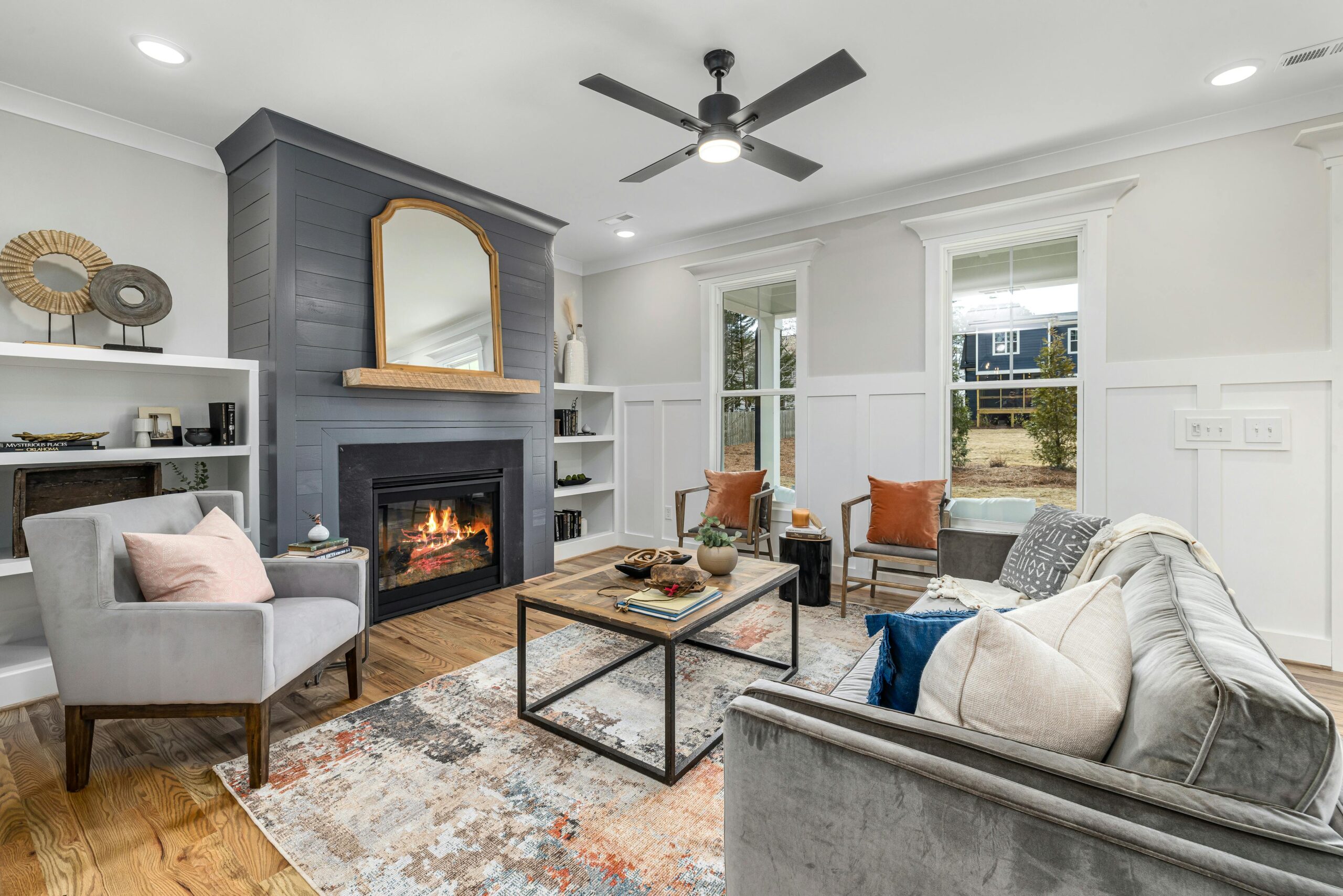
Converting existing wood-burning fireplaces to gas requires chimney liner installation, gas line routing, and often damper removal. Total conversion costs $3,200–$8,500. Chimneys with damage, missing mortar, or structural issues need repair before conversion, adding $800–$3,500. Properties with fireplaces in good condition pay less than homes needing extensive chimney work. New installations in homes without existing fireplaces require complete venting systems, structural framing, and finishing work, costing $6,000–$15,000 depending on location and complexity.
Installation Complexity and Location
Installing fireplaces on main floor with easy access to gas meters and exterior walls costs less than second-floor or basement installations. Complex routing through finished spaces, tile work, hardwood floors, or around existing utilities increases labor by 30–50%. Corner installations cost more than center-wall placements. Locations requiring structural modifications, reinforced framing, or floor support add $1,200–$4,000. Downtown Salt Lake City properties in older homes with plaster walls and complicated layouts face higher installation costs than newer suburban construction.
Surround Materials and Finishing
Basic tile or brick surrounds cost $1,200–$2,500 installed. Natural stone like granite, marble, or bluestone reaches $2,500–$5,000. Custom mantels run $600–$2,800 depending on material and complexity. Simple painted wood mantels cost less than carved hardwood or stone mantels. Built-in cabinetry flanking fireplaces adds $2,000–$8,000. These finishing elements significantly impact total project cost but create the visual impact homeowners desire. Many contractors offer packages including fireplace unit, basic surround, and mantel at bundled pricing.
Brand Quality and Features
Budget gas inserts cost $1,500–$2,500 but lack efficiency and longevity. Mid-range units from Napoleon, Regency, or Heat & Glo at $2,500–$4,500 provide better heat output, remote controls, and 3–5 year warranties. Premium brands like Mendota or Lopi cost $4,500–$8,000 but offer lifetime warranties, maximum efficiency, realistic flame patterns, and superior construction. Electric fireplaces range from $400 basic wall-mount units to $4,000 premium built-in models with realistic flame technology. Features like programmable thermostats, remote controls, and variable flame settings add $200–$800.
Average Fireplace Cost in Salt Lake City
Gas Fireplace Insert (existing fireplace): $2,800–$6,500
New Gas Fireplace Installation: $4,500–$12,000
Electric Fireplace Insert: $800–$3,200
New Electric Fireplace: $1,200–$5,500
Wood-Burning Fireplace (new construction): $8,000–$18,000
Fireplace Conversion (wood to gas): $3,200–$8,500
Cost by Fireplace Type:
Gas Insert (retrofit existing): $2,800–$6,500
Gas Direct-Vent (new install): $4,500–$9,000
Gas Ventless (new install): $2,500–$6,000
Electric Wall-Mount: $800–$2,500
Electric Built-In: $1,800–$5,500
Wood-Burning Prefab: $3,500–$8,000
Wood-Burning Masonry: $8,000–$18,000
Additional Costs:
Gas Line Installation: $800–$2,500
Chimney Liner (stainless steel): $1,500–$4,500
Electrical Work: $300–$1,200
Mantel Installation: $600–$2,800
Surround Materials (tile, stone): $1,200–$5,000
Most Salt Lake City homeowners spend $4,500–$8,000 for complete gas fireplace installations including gas line, venting, and basic surround work.
How to Save on Fireplace Costs in Salt Lake City
Choose gas inserts over new construction if you have existing wood-burning fireplaces. Inserts cost $2,800–$6,500 versus $8,000–$18,000 for building new masonry fireplaces. Inserts reuse existing openings and chimneys with new liners, saving thousands in construction costs.
Install during spring or fall when contractors have better availability and competitive pricing. Winter heating season commands premium rates with 4–6 week lead times. Summer also sees high demand. May and September offer best value.
Select direct-vent over ventless gas fireplaces for better efficiency and indoor air quality despite $500–$1,200 higher upfront cost. Direct-vent units exhaust outdoors, eliminating moisture and combustion byproducts inside your home. They’re safer and maintain better air quality.
Bundle fireplace with other projects like room remodeling or kitchen updates to reduce mobilization costs. Contractors offer better rates when installing fireplaces during larger renovation projects versus standalone work requiring separate setup.
Choose mid-range brands that balance quality and cost. Napoleon, Regency, and Heat & Glo fireplaces at $2,500–$4,500 provide excellent performance and 3–5 year warranties without premium pricing of luxury brands.
Simplify surround materials initially using tile or basic stone at $1,200–$2,500. Upgrade to premium mantels and custom surrounds in future years when budget allows. Focus investment on quality fireplace unit and proper installation first.
Get 3–4 detailed estimates that specify fireplace brand and model, venting method, gas line routing, permits included, and warranty terms. Compare contractor licenses, trade certifications, and insurance coverage. The lowest bid often skips critical safety features or uses inferior equipment.
Frequently Asked Questions – Fireplace Costs in Salt Lake City
Get answers to the most common questions about construction costs, regulations, and feasibility in Salt Lake City.
Can I burn wood in my fireplace in Salt Lake City?
Wood-burning fireplaces are legal but restricted. Salt Lake County prohibits burning wood, coal, or pellets on mandatory and voluntary action days from November 1 through March 1 when air pollution reaches unhealthy levels. Violations result in fines up to $150. The Utah Division of Air Quality enforces restrictions using infrared cameras. Gas and electric fireplaces operate year-round without restrictions. Many homeowners convert wood fireplaces to gas for reliable winter use without air quality concerns.
Do I need permits to install a fireplace in Salt Lake City?
Yes. New fireplace installations require building permits. Gas fireplace installations need gas permits for fuel line work and must use licensed plumbers. Electrical work requires electrical permits and licensed electricians. Converting wood to gas typically needs both gas and building permits. Simple electric fireplace installations may only need electrical permits. Permit fees run $300–$800 combined depending on project scope. Contact Salt Lake City Building Services at 801-535-6000 to verify requirements for your specific project.
What's the best fireplace type for Salt Lake City?
Gas fireplaces offer the best combination of real flame ambiance, reliable heat, and year-round usability during no-burn days. Direct-vent gas units provide maximum efficiency by pulling combustion air from outside. They cost $4,500–$9,000 installed but operate during air quality restrictions. Electric fireplaces at $1,200–$5,500 provide the simplest installation without gas lines or venting. They’re perfect for condos and apartments. Wood-burning fireplaces work but face increasing restrictions during winter inversion season.
How much does it cost to convert a wood fireplace to gas?
Converting wood-burning fireplaces to gas costs $3,200–$8,500 including gas insert unit, stainless steel chimney liner, gas line installation, permits, and labor. Projects requiring extensive gas line routing or chimney repairs reach $6,000–$10,000. Simple conversions with short gas runs and chimneys in good condition stay at lower end. Most Salt Lake City homeowners spend $4,500–$6,500 for complete conversions. This investment eliminates no-burn day restrictions and ongoing wood purchasing and hauling.
How much does a chimney liner cost in Salt Lake City?
Stainless steel chimney liners cost $1,500–$4,500 installed depending on chimney height and condition. Materials run $40–$90 per linear foot for flexible stainless steel. Labor adds $500–$1,200. Liners are required when converting wood fireplaces to gas to protect chimney from corrosive condensation. They’re also necessary when installing gas inserts in existing masonry chimneys. Old chimneys with damaged clay tiles need liners before connecting new appliances. Quality liners last 15–25 years with proper installation.
Talk to a Salt Lake City Fireplace Contractor Today
Your fireplace investment creates a warm gathering space, provides supplemental heating, and increases property value while navigating Salt Lake City’s air quality restrictions. Professional installation ensures safe operation, code compliance, and reliable performance through Utah’s cold winters.
Experienced Salt Lake City contractors understand no-burn day regulations, proper gas line sizing, venting requirements, and equipment selection for local climate. They coordinate licensed trades, handle permit applications, and install systems that operate efficiently and safely.